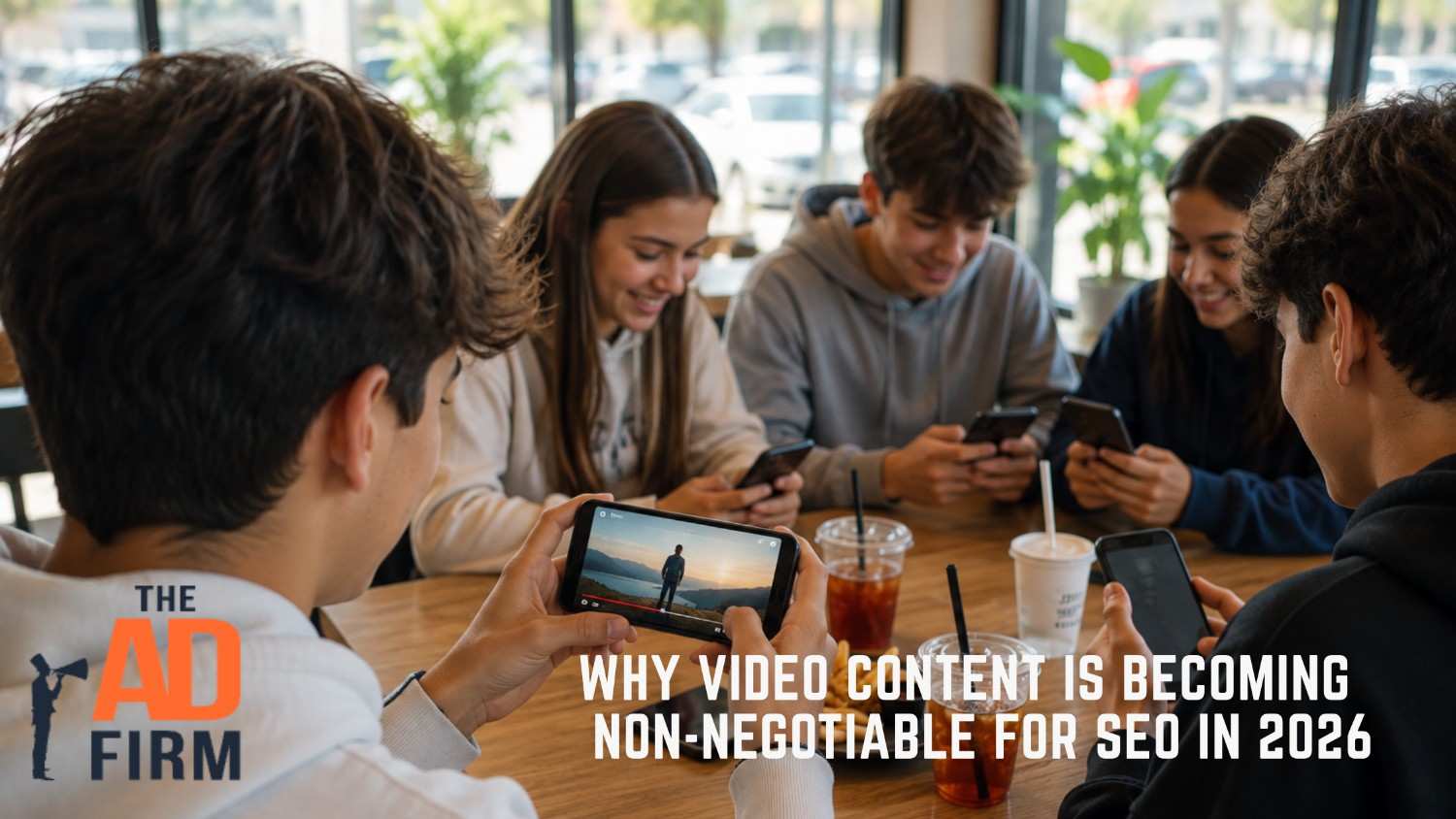
Search behavior has shifted toward video, and search platforms have adapted by giving video more visibility across search results and their own properties. For businesses, this creates opportunities to appear in places where written content alone may not reach users, while video can also show how a service works, answer common questions, and give potential customers a clearer view of what the business offers.
Video does not replace blogs, service pages, or other written content. Instead, it works alongside them by giving search platforms additional content to understand and users another way to consume information. When combined with AI SEO and other Local SEO strategies, video can create more opportunities for customers to discover and engage with a brand.
Why Video Matters More for SEO in 2026
Search behavior continues to shift as people expect faster ways to find information. Many users now prefer watching a short video instead of reading several pages to understand a service, solve a problem, or compare businesses. Search engines have adapted to these preferences by displaying video content more prominently throughout search results.
For businesses, this means video is no longer simply another content format. It has become another opportunity to answer customer questions, demonstrate expertise, and appear where potential customers are already searching. Companies that ignore video may miss valuable opportunities to improve their online visibility while competitors continue expanding their digital presence.
Search Results Are Becoming More Visual
Traditional search results no longer consist only of blue links. Google regularly displays videos, featured snippets, image results, local listings, and AI-generated summaries depending on the user’s search intent.
For example, a user may search for questions such as:
- How to repair a leaking faucet
- Signs you need a new roof
- How often should an HVAC system be serviced
For searches like these, Google may show videos alongside traditional webpages. These visual results let users quickly understand a topic without reading a lengthy article, giving businesses another opportunity to reach potential customers through useful video content.
AI Search Can Understand More Than Text
AI-powered search systems can analyze different types of content to understand a topic and provide more relevant answers. Videos, transcripts, captions, structured data, and supporting website content can all provide useful context about a business, its services, and its expertise.
Strengthen Your Online Authority with The Ad Firm
- SEO: Build a formidable online presence with SEO strategies designed for maximum impact.
- Web Design: Create a website that not only looks great but also performs well across all devices.
- Digital PR: Manage your online reputation and enhance visibility with strategic digital public relations.
This makes AI SEO an important part of a well-rounded content strategy. Businesses that publish helpful videos with clear titles, descriptions, transcripts, and related website content give AI systems more context about their subject matter and expertise. Video and written content can support each other, creating a stronger and more consistent presence across different search experiences.
Also Read: Why Each AI Platform Cites Different Sources and How to Optimize for All of Them
Video Builds Trust Before Customers Ever Contact You
Many purchasing decisions begin long before someone fills out a contact form or picks up the phone. Customers often want to understand who they’re hiring, how a company works, and whether they feel confident doing business with them. Video helps answer those questions in a way that written content alone often cannot.
A short, informative video can introduce your team, explain your services, demonstrate your experience, or answer common customer concerns within minutes. Instead of simply telling potential customers what you do, video allows you to show them.
Show the People Behind Your Business
Many industries offer similar services, making it difficult for customers to choose between providers. Video helps humanize your business by introducing the people who will actually perform the work.
Simple videos can include:
- Company introductions
- Meet-the-team videos
- Office tours
- Behind-the-scenes content
- Customer service walkthroughs
These videos help build familiarity before the first conversation even begins.
Demonstrate Your Expertise
Educational videos also allow businesses to demonstrate knowledge rather than simply claim experience.
For example, a home service company could create videos explaining:
- Common plumbing issues
- HVAC maintenance tips
- Roof inspection checklists
- Electrical safety recommendations
- Seasonal home maintenance advice
Content like this helps educate customers while positioning the business as a knowledgeable resource within its industry.
Types of Videos That Support SEO
Businesses don’t need expensive production studios or dozens of videos to benefit from video marketing. The most effective videos often answer questions customers are already asking throughout their buying journey.
Instead of focusing on quantity, prioritize creating videos that provide genuine value while supporting your website content and SEO goals.
Elevate Your Market Presence with The Ad Firm
- SEO: Boost your search engine visibility and supercharge your sales figures with strategic SEO.
- PPC: Target and capture your ideal customers through highly optimized PPC campaigns.
- Social Media: Engage effectively with your audience and build brand loyalty through targeted social media strategies.
Educational Videos
Educational videos help explain topics your audience wants to understand before making a purchasing decision.
Examples include:
- How often should I replace my roof?
- Why is my AC blowing warm air?
- What causes low water pressure?
- How do I prepare for a home inspection?
These videos naturally support blog articles targeting the same keywords.
Service Walkthroughs
Customers often hesitate because they don’t know what to expect after contacting a business.
Service walkthrough videos can explain:
- What happens during a consultation
- How installations work
- The repair process
- Expected timelines
- Frequently asked customer questions
Providing this information upfront helps reduce uncertainty while improving customer confidence.
Customer Testimonials
Positive reviews already play an important role in digital marketing. Video testimonials make those experiences even more compelling by allowing potential customers to hear directly from satisfied clients.
Authentic testimonials help reinforce credibility while supporting your overall reputation management strategy.
FAQ Videos
Many businesses already maintain FAQ pages on their websites. Turning those answers into short videos gives customers another way to consume the same information while expanding your content library.
Each FAQ video can also support a related blog, service page, or landing page, creating stronger topical coverage across your website.
Video content is only one part of creating a modern online experience. Your website should also be built to meet changing user expectations. Learn how in our blog, 2026 Web Design: AI-Ready, Hyper-Personalized Interfaces.
How Can Video Improve User Engagement?
Creating quality content isn’t only about attracting visitors. Businesses also want users to spend time learning about their services and exploring additional pages on their website. Video can help create a more engaging experience by presenting information in a format many people find easier to consume.
Although Google has stated that engagement metrics like dwell time are not direct ranking factors, videos can still encourage visitors to interact with your content, learn more about your business, and continue navigating your website. This creates a stronger overall user experience while supporting broader digital marketing goals.
Streamline Your Digital Assets with The Ad Firm
- Web Development: Build and manage high-performing digital platforms that enhance your business operations.
- SEO: Leverage advanced SEO strategies to significantly improve your search engine rankings.
- PPC: Craft and execute PPC campaigns that ensure high engagement and superior ROI.
Keep Visitors Engaged Longer
A well-placed video can encourage visitors to stay on a page longer while learning about a service or topic. Someone researching a home renovation, legal service, or healthcare provider may prefer watching a two-minute explanation before reading additional details.
Embedding videos on relevant service pages and blog posts also allows visitors to choose the format that works best for them. Some users prefer reading, while others absorb information more easily through video. Providing both options helps create a more accessible and engaging experience.
Make Complex Topics Easier to Understand
Some products, services, or processes are easier to explain through video than text alone. Demonstrations, animations, and step-by-step walkthroughs can simplify complex information and help viewers understand concepts more quickly.
Whether you’re explaining how a service works, showcasing a product, or answering technical questions, video can reduce confusion and help customers make more informed decisions.
Encourage More Meaningful Conversions
Video doesn’t simply educate customers. It can also help move them closer to taking action.
After watching a helpful video, visitors may feel more confident to:
- Request a quote
- Schedule a consultation
- Contact your business
- Explore additional services
- Read related content
When customers better understand your services, they often feel more comfortable reaching out.
Increase Content Sharing Across Multiple Platforms
Helpful videos are easy to repurpose and share across multiple digital channels. A single video can appear on your website, YouTube, social media platforms, email campaigns, and even your Google Business Profile.
This broader distribution allows businesses to reach audiences wherever they spend time online while driving more visitors back to their website.
Support Different Learning Preferences
Not everyone prefers consuming information the same way. While some visitors enjoy reading detailed articles, others learn better by watching videos or listening to explanations.
Offering both written and video content creates a better user experience by giving people multiple ways to engage with your information. It also increases the likelihood that visitors will stay on your website and continue exploring related content.
Advance Your Digital Reach with The Ad Firm
- Local SEO: Dominate your local market and attract more customers with targeted local SEO strategies.
- PPC: Use precise PPC management to draw high-quality traffic and boost your leads effectively.
- Content Marketing: Create and distribute valuable, relevant content that captivates your audience and builds authority.
How Do You Optimize Videos for SEO?
Creating a high-quality video is only part of the process. To help search engines understand and surface your content, every video should be properly optimized before it’s published. Just as webpages rely on titles, headings, and metadata, videos benefit from descriptive information that explains what viewers can expect.
Optimizing video content also improves accessibility, creates a better user experience, and increases the chances of your videos appearing across search results, YouTube, and AI-powered search platforms.
Use Keyword-Focused Titles
A video’s title is one of the first signals search engines use to understand its content. Instead of using vague or overly creative titles, choose wording that reflects how your audience actually searches.
For example:
- “How to Prepare Your Home for Solar Panel Installation”
- “Signs Your HVAC System Needs Repair”
- “What Happens During a Roof Inspection”
Clear, descriptive titles improve both search visibility and click-through rates because viewers immediately understand what they’ll learn. When paired with a well-planned content marketing strategy, keyword-focused video titles can also support related blog articles and service pages, helping businesses strengthen their topical authority across multiple pieces of content.
Write Helpful Video Descriptions
Video descriptions provide additional context for both search engines and viewers. Rather than writing one or two generic sentences, use the description to summarize the video’s topic, explain what viewers will learn, and naturally include relevant keywords.
A well-written description can also direct viewers to related resources, such as:
- Service pages
- Blog articles
- Contact pages
- Additional videos
- Helpful guides
This creates stronger connections between your video content and the rest of your website.
Add Transcripts and Captions
Transcripts make your videos easier for everyone to access while giving search engines more text they can crawl and understand. Since search engines cannot interpret spoken words the same way people do, transcripts provide valuable written context about your video’s content.
Captions also improve the viewing experience for people watching without sound, particularly on mobile devices and social media platforms.
Transform Your Online Strategy with The Ad Firm
- SEO: Achieve top search rankings and outpace your competitors with our expert SEO techniques.
- Paid Ads: Leverage cutting-edge ad strategies to maximize return on investment and increase conversions.
- Digital PR: Manage your brand’s reputation and enhance public perception with our tailored digital PR services.
Embed Videos on Relevant Pages
Publishing videos only on YouTube means missing opportunities to strengthen your own website. Instead, embed videos on the pages where they provide the most value.
Examples include:
- Service pages
- Blog articles
- Landing pages
- FAQ pages
- Resource centers
When videos support the surrounding written content, they create a richer experience for visitors while reinforcing the page’s primary topic. Integrating videos thoughtfully into your website is also an important part of web design, helping visitors find useful information more easily while creating a more engaging browsing experience.
Use Structured Data
Structured data, also known as schema markup, helps search engines understand the purpose of your video content. Video schema can provide information such as titles, descriptions, thumbnails, upload dates, and durations.
While visitors may never see this information directly, it can help search engines better interpret your content and improve how videos appear in search results.
Common Video SEO Mistakes
Creating video content is only the first step. To support your SEO, videos should be planned, optimized, and integrated into your overall marketing strategy. Many businesses invest time and money in producing videos but miss opportunities to improve visibility because they overlook important optimization practices. Avoiding these common mistakes can help your videos reach more people while supporting your long-term SEO efforts.
Publishing Without a Strategy
Uploading videos simply because video is popular rarely produces consistent results. Every video should have a clear purpose that supports your existing SEO goals, whether that’s answering customer questions, explaining a service, demonstrating expertise, or supporting an important webpage.
Before recording a video, consider questions such as:
- What customer problem does this video solve?
- Which keyword or topic does it support?
- Where will it be published?
- Which webpage will it strengthen?
- What action should viewers take after watching?
Planning your videos around these objectives helps every piece of content contribute to a broader marketing strategy instead of existing as a standalone asset.
Ignoring Metadata
Even an informative video may struggle to perform if search engines don’t understand what it’s about. Metadata helps provide that context by describing your content through titles, descriptions, thumbnails, captions, and transcripts.
Enhance Your Brand Visibility with The Ad Firm
- SEO: Enhance your online presence with our advanced SEO tactics designed for long-term success.
- Content Marketing: Tell your brand’s story through compelling content that engages and retains customers.
- Web Design: Design visually appealing and user-friendly websites that stand out in your industry.
Each video should include:
- A descriptive, keyword-focused title
- A helpful summary in the description
- A custom thumbnail
- Accurate captions
- A complete transcript
These elements improve accessibility while giving search engines more information to understand and categorize your content.
Only Posting on Social Media
Social media can be an excellent place to promote video content, but it shouldn’t be the only destination. Businesses often upload videos to Facebook, Instagram, LinkedIn, or TikTok without incorporating them into their websites, limiting their long-term SEO value.
Instead, maximize every video’s impact by using it across multiple platforms:
- Embed it within related blog articles.
- Add it to service pages.
- Include it in FAQ sections.
- Publish it on YouTube.
- Share shorter clips across social media.
Repurposing video across different channels extends its reach and gives your website more useful content.
Forgetting Mobile Users
Most people watch videos on smartphones and tablets, making mobile optimization an essential part of your strategy. If videos load slowly, display poorly, or rely on tiny text, viewers are more likely to leave before reaching your message.
For a better mobile experience:
- Keep videos focused and easy to follow.
- Use readable on-screen text.
- Include captions for viewers watching without sound.
- Optimize video size for faster loading.
- Make sure videos display correctly on different screen sizes.
A smooth viewing experience encourages visitors to continue exploring your website and interacting with your content.
How Can Digital Marketing Professionals Maximize the Value of Video Content?
As part of a broader digital marketing strategy, video can work alongside several services to extend its value beyond the initial publication. Generative Engine Optimization (GEO) can help businesses structure content so AI-powered search platforms can understand and reference it, while Conversion Rate Optimization (CRO) can help turn video-driven traffic into meaningful actions such as inquiries, consultations, and purchases. Reputation management can help businesses monitor customer feedback and manage their presence across review platforms, while social media marketing can extend video across channels such as Facebook, Instagram, LinkedIn, TikTok, and YouTube. Businesses can also use analytics and performance tracking to monitor engagement, watch time, click-through rates, conversions, and other signals that show which video content is contributing to meaningful results.
Maximize Your Online Impact with The Ad Firm
- Local SEO: Capture the local market with strategic SEO techniques that drive foot traffic and online sales.
- Digital PR: Boost your brand’s image with strategic digital PR that connects and resonates with your audience.
- PPC: Implement targeted PPC campaigns that effectively convert interest into action.
Make Video Part of Your SEO Strategy
The most successful businesses don’t create video content because it’s popular—they create it because it supports a clear business objective. Every video should answer a customer question, strengthen your online presence, or guide potential customers toward making an informed decision.
If you’re ready to make video a more strategic part of your marketing, The Ad Firm can help you develop a plan that aligns with your business goals and keeps your content working long after it’s published. We focus on long-term performance instead of short-term trends, we help our clients create marketing strategies that continue delivering value as search evolves. Reach out to our team to start building a strategy that supports lasting growth.
Frequently Asked Questions
Do I need a YouTube channel for video SEO?
While YouTube is one of the most effective platforms for hosting videos, businesses should also embed videos on relevant pages of their own website to support SEO and improve the user experience.
How does video support AI SEO?
AI-powered search platforms analyze multiple types of content, including videos, transcripts, captions, and supporting webpages. Creating optimized video content gives AI systems more information to understand your expertise and recommend your business.
Should every business create video content?
Not every page requires a video, but most businesses can benefit from creating videos that answer customer questions, explain services, or showcase their expertise. The focus should always be on creating content that provides value rather than producing videos simply to increase volume.
How often should businesses publish video content?
Businesses should publish video content consistently, with quality always taking priority over quantity. Instead of following a fixed schedule, focus on creating valuable videos that answer customer questions, support your marketing goals, and complement your existing website content.
Can older videos still support my SEO strategy?
Yes. Evergreen videos that provide accurate and helpful information can continue driving traffic and supporting your SEO efforts long after they’re published. Updating video descriptions, transcripts, and related webpages periodically can also help keep older content relevant as your business and search trends evolve.
Amplify Your Market Strategy with The Ad Firm
- PPC: Master the art of pay-per-click advertising to drive meaningful and measurable results.
- SEO: Elevate your visibility on search engines to attract more targeted traffic to your site.
- Content Marketing: Develop and implement a content marketing strategy that enhances brand recognition and customer engagement.