The way people search for local businesses has fundamentally changed. Visibility now depends on being recognized as a clear, authoritative entity in your industry and location. This guide explores how entity optimization impacts local SEO, what GEO and AI search mean for your business, and the strategies you need to stay visible in this new search landscape.
What Is Entity Optimization?
Entity optimization is the process of helping search engines clearly understand who you are, what you do, where you’re located, and how you connect to other relevant entities. Unlike traditional SEO, which focuses on ranking for specific keywords, entity optimization is about establishing your business as a recognizable, trustworthy entity in the eyes of search engines and AI systems.
In search engine terms, an entity is any distinct, well-defined thing or concept. This includes:
- People (founders, staff, industry experts)
- Places (cities, neighborhoods, landmarks)
- Businesses (your company and competitors)
- Products and services
- Events
- Concepts and topics
Entities vs. Keywords
Consider the word “Mustang.” As a keyword, it’s ambiguous; it could mean:
- Ford Mustang (the car)
- Mustang (the wild horse)
- P-51 Mustang (the WWII fighter plane)
- Mustang, Oklahoma (the city)
Search engines use entity recognition to understand which “Mustang” you’re actually looking for based on context. If you search “Mustang 0-60 mph,” Google knows you mean the car. If you search “wild Mustang habitat,” it knows you mean the horse. This contextual understanding is what separates entity-based search from simple keyword matching.
Real-World Business Example
When you search for “Starbucks,” Google doesn’t just see a keyword. It recognizes Starbucks as an entity connected to:
- Coffee shops (category)
- Seattle (founding location)
- Howard Schultz (founder)
- Thousands of individual store locations
- Related entities like “latte,” “espresso,” and “mobile ordering.”
This web of connections is stored in Google’s Knowledge Graph, a massive database launched in 2012 that contains billions of entities and hundreds of billions of interconnected facts.
The shift from keywords to entities
Search engines have been moving toward entity-based understanding for over a decade:
- 2013: Google’s Hummingbird update introduced semantic search
- 2019: BERT helped Google understand natural language context
- 2021: MUM enabled understanding across languages and formats
- 2024: AI search engines prioritize entity authority over keyword matching
Why does this matter? Because most searches today result in zero clicks. Users get their answers directly from AI-generated summaries, knowledge panels, or featured snippets. If search engines don’t recognize your business as a relevant entity, you won’t appear in these prominent positions.
Also Read: GEO and AEO in 2026: Where Businesses Are Investing and What’s Working
Understanding Local SEO in the AI Era
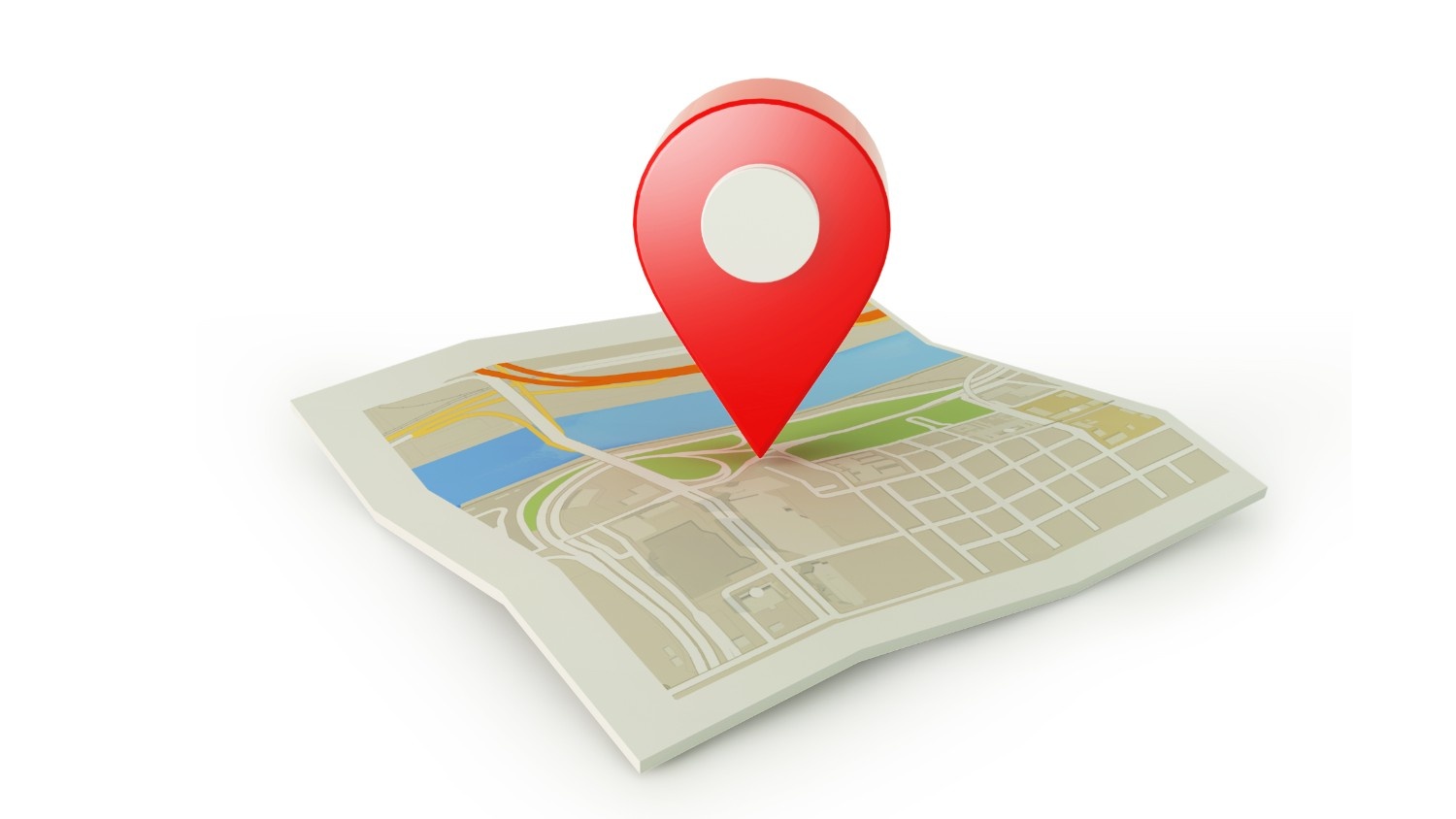
Nearly half of all Google searches have local intent. For example, someone searching for “best Italian restaurant” at 6 PM on a Friday is likely looking for a place to eat dinner immediately, not just general information about Italian cuisine. AI search engines like Google’s RankBrain and neural matching systems interpret this context automatically. AI SEO focuses on optimizing for these intelligent systems that understand user intent, context, and entity relationships rather than just keyword matches.
Google’s local pack is the map with three business listings that appears at the top of local search results. The top three positions capture the vast majority of clicks, making local pack optimization essential for visibility. Local searches now happen across multiple AI-driven platforms:
- ChatGPT: With hundreds of millions of users, ChatGPT is increasingly used for research, including local business discovery. Users ask questions like “What’s the best family-friendly restaurant in downtown Austin?” and receive synthesized recommendations.
- Perplexity AI: This AI-powered answer engine provides cited responses to queries, including local searches. It excels at comparative questions like “Compare the top three accounting firms in Boston.”
- Bing Copilot: Microsoft’s AI search integration within Bing provides conversational search experiences with real-time information.
- Google AI Overviews: Google’s generative AI experience sits atop traditional search results, providing AI-generated summaries for many queries.
Each of these relies on entity recognition to deliver accurate local results. If your business isn’t properly optimized as an entity, it won’t appear in these AI-generated answers.
How Generative AI Engines Work
Generative Engine Optimization is a new frontier in search marketing. Unlike traditional SEO, which optimizes for ranking in a list of blue links, GEO focuses on getting your business featured in AI-generated answers and summaries.
A recent study from researchers at Princeton, Georgia Tech, and IIT Delhi found that websites need fundamentally different optimization strategies for AI engines compared to traditional search. The study showed that authority signals, citation of credible sources, and clear, concise information delivery dramatically improve inclusion in AI-generated responses.
Most AI search engines use a technique called Retrieval Augmented Generation (RAG). Here’s the simplified process:
- User asks a question
- AI retrieves relevant information from its database or web search
- AI synthesizes this information into a cohesive answer
- AI cites sources (sometimes)
For local businesses, this means your website content, reviews, and online presence need to be structured in a way that AI systems can easily extract, understand, and cite.
Traditional SEO focuses on:
- Keyword density and placement
- Backlink quantity
- Technical site optimization
- Ranking for specific search queries
GEO prioritizes:
- Entity authority and recognition
- Content quality and citation-worthiness
- Clear, factual information
- Structured data and schema markup
- Authoritative source citations
How to Optimize Entities for Local SEO
Strong entity optimization comes from consistent signals across multiple channels. Search engines piece together information from your website, business profiles, citations, and content to understand your business. Focus on these core areas to establish your business as a clear, authoritative local entity.
Claim and Optimize Your Google Business Profile
Your Google Business Profile is the foundation of local entity optimization. It’s often the first thing potential customers see and the primary source Google uses to understand your business entity.
Ensure your Name, Address, and Phone number are:
- Exactly consistent across your website, GBP, and all online directories
- Formatted the same way everywhere (e.g., “Street” vs “St.”, “Suite 100” vs “#100”)
- Up to date if you’ve moved or changed phone numbers
Businesses with complete, accurate information are considered far more reputable by consumers and search engines alike. Select your primary category carefully; it’s the most important signal for what your business does. Then add relevant secondary categories to cover your full service range.
Example for a pizza restaurant:
- Primary: Pizza Restaurant
- Secondary: Italian Restaurant, Pizza Delivery, Pizza Takeaway
Write an entity-rich business description. You have 750 characters to describe your business. Use them wisely:
Weak description: “We sell pizza and Italian food. Great prices and fast delivery.”
Strong, entity-rich description: “Family-owned New York-style pizzeria in downtown Portland serving hand-tossed pizza, calzones, and authentic Italian cuisine since 2015. Located two blocks from Pioneer Courthouse Square in the Pearl District, we offer dine-in, takeout, and delivery throughout downtown Portland, the Pearl, and Northwest Portland neighborhoods. Known for our wood-fired oven pizzas, homemade marinara, and fresh mozzarella made daily.”
You can also add high-quality photos. Businesses with photos receive significantly more direction requests and website clicks. Upload:
- Exterior photos showing your storefront and surroundings
- Interior shots highlighting your space
- Product/service photos
- Team photos (builds personal entity connections)
- Menu photos for restaurants
Post regularly with updates, offers, and events to keep your profile active.
Build Entity Authority Through Structured Data
Structured data is code you add to your website that explicitly tells search engines what your content means. It’s like giving search engines a cheat sheet to understand your business entity. Many websites still don’t use structured data, which means implementing it gives you a competitive advantage. Structured data helps search engines:
- Understand your business type
- Display rich snippets in search results
- Populate knowledge panels
- Feed information to AI search engines
LocalBusiness Schema markup
Think of LocalBusiness schema as a digital fact sheet written in a language that search engines read instantly. It tells Google your business name, address, phone number, hours, and what you offer in a structured format that removes any guesswork. When this code is added to your homepage and location pages, search engines can pull your details directly into knowledge panels, map results, and AI-generated answers.
Here’s what it looks like in practice (your web developer can implement this):
{
“@context”: “https://schema.org”,
“@type”: “Restaurant”,
“name”: “Mario’s Pizzeria”,
“address”: {
“@type”: “PostalAddress”,
“streetAddress”: “123 Main Street”,
“addressLocality”: “Portland”,
“addressRegion”: “OR”,
“postalCode”: “97205”
},
“telephone”: “+1-503-555-1234”,
“priceRange”: “$$”,
“servesCuisine”: [“Italian”, “Pizza”],
“openingHours”: “Mo-Su 11:00-22:00”
}
This code should appear on your homepage and location pages.
Service Schema
Service schema does the same thing but for your individual services. It tells search engines exactly what you offer and where you offer it. If you’re a pizza restaurant that delivers to three neighborhoods, this markup spells that out so AI systems can match you to searches in those specific areas.
{
“@context”: “https://schema.org”,
“@type”: “Service”,
“serviceType”: “Pizza Delivery”,
“provider”: {
“@type”: “Restaurant”,
“name”: “Mario’s Pizzeria”
},
“areaServed”: [“Downtown Portland”, “Pearl District”, “Northwest Portland”]
}
Review Schema
Review schema pulls your star ratings and review count into search results. When someone sees a 4.7 rating with 312 reviews right in the Google listing, they’re more likely to click. This markup makes that possible.
{
“@context”: “https://schema.org”,
“@type”: “Restaurant”,
“name”: “Mario’s Pizzeria”,
“aggregateRating”: {
“@type”: “AggregateRating”,
“ratingValue”: “4.7”,
“reviewCount”: “312”
}
}
FAQ Schema
FAQ schema tells search engines that your page contains questions and answers. This can trigger your content to appear in featured snippets and People Also Ask boxes, giving your business extra visibility without paying for ads.
{
“@context”: “https://schema.org”,
“@type”: “FAQPage”,
“mainEntity”: [{
“@type”: “Question”,
“name”: “Do you offer gluten-free pizza?”,
“acceptedAnswer”: {
“@type”: “Answer”,
“text”: “Yes, we offer gluten-free crust options for all our pizzas.”
}
}]
}
Create Entity-Rich Content
Your website content should naturally mention relevant entities that connect your business to your location, industry, and customers.
Mention location entities naturally
Instead of generic content, reference specific local landmarks, neighborhoods, and entities:
- Generic: “We’re a local business serving the community.”
- Entity-rich: “Located two blocks from City Hall in the historic Downtown District, we’ve been serving County residents and visitors to Landmark Park since 2010.”
Use natural language
Write the way people actually talk. AI systems trained on human conversation understand natural language better than keyword-stuffed content.
Topic clustering around local entities
Create a content hub structure:
- Main page: “Pizza in Portland”
- Supporting pages: “Best Pizza in Pearl District,” “Pizza Delivery Downtown Portland,” “Wood-Fired Pizza Portland”
Each page mentions relevant neighborhood entities, landmarks, and local context.
Answer common local queries
Use tools like AnswerThePublic or Google’s “People Also Ask” boxes to find questions people ask about your industry and location:
- “What’s the best pizza near Pioneer Square?”
- “Where can I get late-night pizza delivery in Portland?”
- “Does [your business] have outdoor seating?”
Create content that directly answers these questions. When AI engines search for information to include in generated responses, clear, direct answers are more likely to be selected.
Entity analysis tools
Use Google’s Natural Language API to analyze how well Google recognizes entities in your content. The tool identifies entities, categorizes them, and shows their salience (importance) in your text.
Establish Entity Relationships
Search engines understand your business better when they see it mentioned alongside other related entities.
Build consistent citations
Citations are mentions of your NAP information on other websites. Focus on:
- Major platforms: Google, Yelp, Facebook, Apple Maps, Bing Places
- Industry directories: TripAdvisor for restaurants, Avvo for lawyers, Healthgrades for doctors
- Local directories: Chamber of commerce, local business associations, neighborhood websites
According to Moz’s Local Search Ranking Factors study, citation consistency improves local rankings substantially.
Get mentioned on authoritative local sites
Seek mentions on:
- Local news websites
- Community blogs
- Local .edu sites (universities, colleges)
- Chamber of commerce sites
- Industry association websites
These authoritative mentions signal to search engines that you’re a legitimate, established entity in your community.
Build entity relationships through partnerships
Partner with other local businesses:
- Co-host events
- Cross-promote on social media
- Guest blog on each other’s sites
- Join local business associations
When search engines see your business entity connected to other established local entities, it strengthens your local relevance.
Optimize for Knowledge Graph
Google’s Knowledge Graph powers knowledge panels, rich results, and much of its entity understanding. Getting your business into the Knowledge Graph increases visibility across Google properties.
Google pulls heavily from Wikipedia for entity information. If your business meets Wikipedia’s notability requirements, create a Wikipedia page:
- Must have significant coverage in reliable, independent sources
- Typically requires multiple news articles about your business
- Follow Wikipedia’s guidelines carefully to avoid deletion
Most small local businesses won’t meet Wikipedia’s notability threshold, but if you’re a significant local institution, it’s worth pursuing.
Read More: Is ChatGPT an LLM or Generative AI? (Clear Breakdown)
Common Entity Optimization Mistakes to Avoid

Strong entity signals can be undermined by seemingly minor mistakes. These errors send conflicting information to search engines, weakening your authority and making it harder for AI systems to confidently recommend your business. Avoid these common missteps.
Inconsistent NAP information
The most damaging mistake is having different versions of your business name, address, or phone number across platforms. According to BrightLocal, the vast majority of consumers say inaccurate information makes them lose trust in a business.
Common inconsistencies:
- “Street” on your website, “St.” on Yelp
- Old phone number is still listed on some directories
- Suite number formatted differently across platforms
- Business name with LLC on some sites, without on others
Solution: Create a master NAP document with the exact format to use everywhere, then audit and correct all your listings.
Missing or incomplete structured data
Many businesses either skip structured data entirely or implement it incorrectly.
Common schema mistakes:
- Using outdated schema types
- Missing required properties
- Implementing schema without testing
- Adding schema to only one page instead of relevant pages throughout the site
Use Google’s Rich Results Test after implementing schema, and keep up with schema.org updates for your business type.
Ignoring entity relationships
Some businesses optimize in isolation without building connections to other entities.
Missed opportunities:
- Not mentioning local landmarks near your business
- Failing to reference neighborhood names
- Avoiding competitor mentions even when relevant
- Not connecting your business to industry associations
Research what entities are related to your business (location, industry, suppliers, partners) and naturally incorporate them into your content and structured data.
Keyword stuffing instead of natural entity mentions
Old-school SEO tactics backfire with entity optimization.
- Poor approach: “Portland pizza Portland restaurant Portland Italian food Portland delivery Portland downtown Portland pizza Portland…”
- Better approach: “Our Portland pizzeria serves the downtown core, Pearl District, and Northwest neighborhoods with authentic Italian pizza and delivery throughout the city.”
Write naturally, as you would speak to a customer, ensuring you mention relevant entities in context rather than forcing keywords.
Neglecting local content creation
Many local businesses have static websites that never mention current events, local news, or community involvement.
Missed content opportunities:
- Local event sponsorships
- Participation in community activities
- Local news tie-ins
- Seasonal local content
- Neighborhood guides
- Local business partnerships
Publish regular content that connects your business to your local community, mentioning specific local entities and current local happenings.
Multiple phone numbers causing confusion
Some businesses have:
- One number on their website
- A different tracking number on their GBP
- Another number on third-party listings
- Yet another on social media
This inconsistency confuses search engines and damages entity recognition. Use one primary business phone number consistently across all platforms. If you need call tracking, implement it in ways that don’t create NAP inconsistencies.
Related Article: Top GEO Content Formats That Win Visibility in AI Overviews
Take Action on Entity Optimization Today
Entity optimization might seem overwhelming, but the fundamentals are straightforward. Many businesses tackle these steps independently, while others partner with a digital marketing agency for comprehensive implementation. Either way, starting today will improve your visibility in both traditional and AI-powered search.
Your 30-day entity optimization roadmap
Week 1: Foundation
- Audit your NAP consistency across your top 20 online listings
- Claim your Google Business Profile if you haven’t already
- Complete every field in your GBP with accurate, detailed information
- Add at least 10 high-quality photos to your GBP
Week 2: Structured Data
- Implement the LocalBusiness schema on your homepage
- Add the Service schema for your key services
- Implement the review schema if you have positive reviews
- Test all schemas with Google’s Rich Results Test
Week 3: Content
- Create one piece of entity-rich local content
- Add an FAQ page answering common local queries
- Update your About page with local entity mentions
- Write blog posts mentioning local landmarks and neighborhoods
Week 4: Relationships
- Build or claim citations on 10 major directories
- Reach out to one local organization for a partnership
- Post on social media with location tags and local entity mentions
- Encourage satisfied customers to leave reviews
Ongoing maintenance:
- Monitor and respond to all reviews within 48 hours
- Post GBP updates at least twice monthly
- Create one piece of local content monthly
- Audit NAP consistency quarterly
- Update structured data as your business changes
When to get professional help
Entity optimization is manageable for many businesses, but consider professional assistance if:
- You have multiple locations requiring a complex schema
- You’re in a highly competitive local market
- You’re struggling with inconsistent citations across hundreds of sites
- You need advanced technical SEO implementation
- You want a comprehensive competitive analysis
- You’re launching a major rebranding or expansion
Entity optimization is no longer optional for local businesses that want to be found in search. As AI-powered search continues growing, businesses recognized as clear, authoritative entities will dominate visibility, while those still relying on keyword-only strategies will fade into obscurity.
Start with a comprehensive entity audit to identify gaps in your current optimization. Contact The Ad Firm today to discuss how we can help establish your business as the authoritative local entity in your industry.