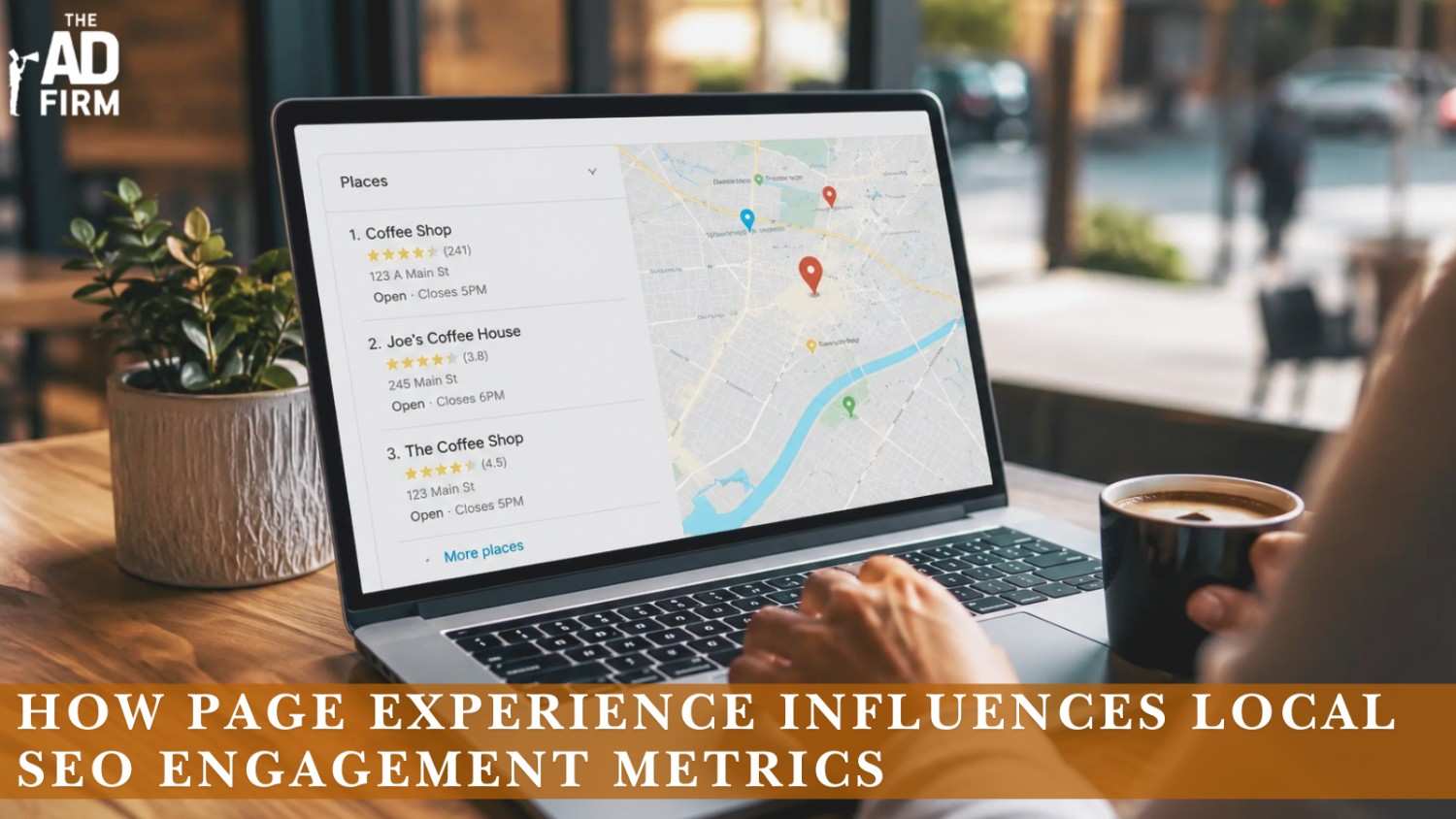
A local searcher finds your business in the map pack. They tap the link. Your page takes three seconds to load. By the time it does, 53% of them are already gone.
That is not a theoretical scenario. It reflects the documented behavior of mobile users on slow-loading pages, and for local businesses, mobile is not a secondary channel. It is the primary one. Page experience is not just a technical SEO concern. For local businesses, it is the difference between capturing intent-driven traffic and losing it to a competitor whose site loads faster.
Why Local Searchers Are Especially Sensitive to Poor Page Experience
Not all website visitors are equally affected by slow load times and unstable layouts. Local searchers occupy a specific behavioral profile that makes them more likely to leave quickly when a page experience falls short.
The Mobile Context of Local Search
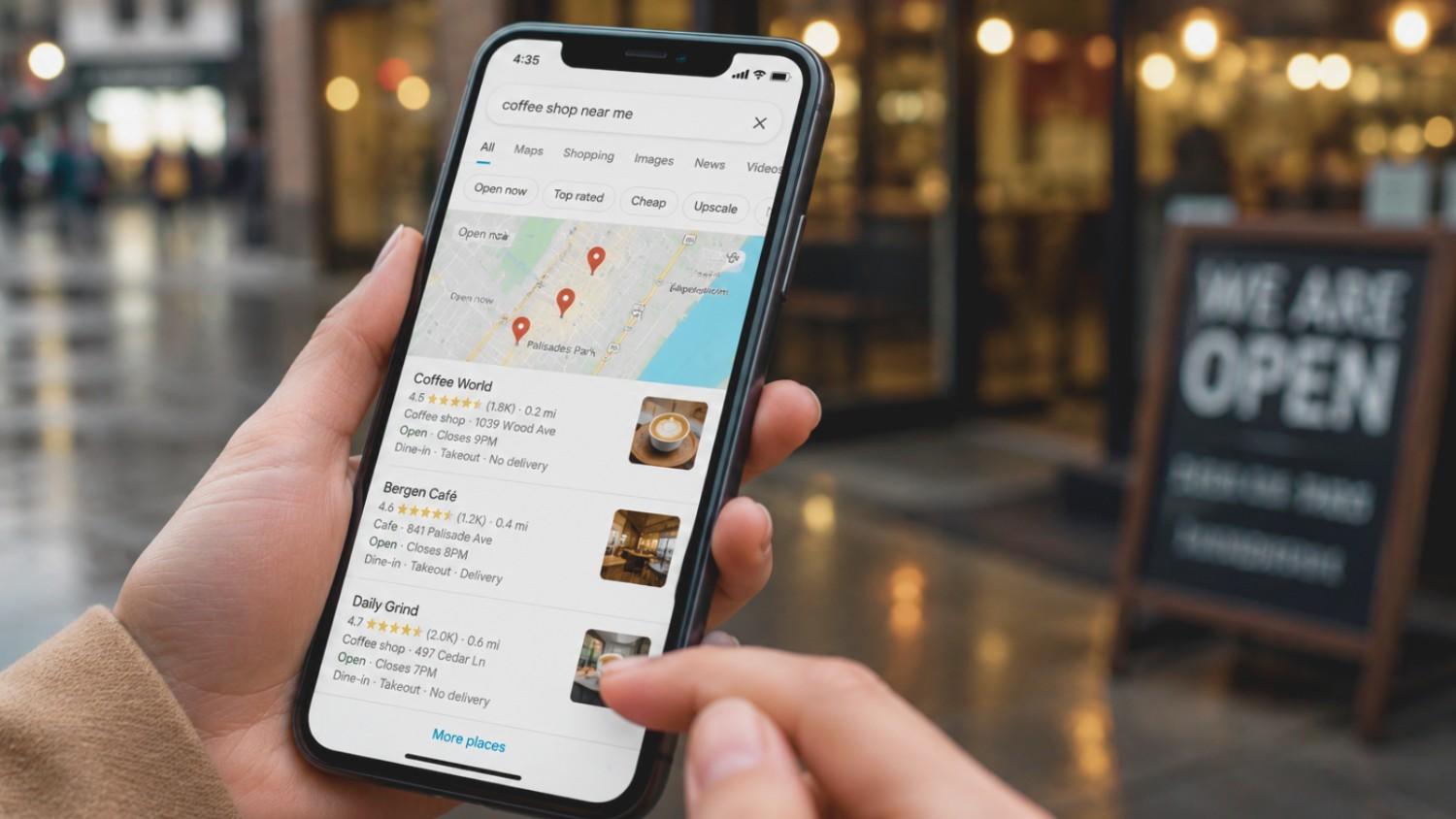
Local search is overwhelmingly a mobile activity. According to SOCi’s 2024 Consumer Behavior Index, 61% or more of all Google searches occur on mobile devices, with local-intent queries skewing even more heavily mobile. Research from HubSpot shows that 61% of mobile searchers are more likely to contact a local business if that business has a mobile-friendly site.
The mobile context matters because mobile users operate under conditions that make page experience failures more acute. Slower network connections, interrupted attention, and immediate decision-making intent all amplify the cost of a poor experience. A local searcher looking for a plumber, dentist, or restaurant is not browsing at their desk with patience to spare. They need information fast, and they are one back-button tap away from your nearest competitor.
What Happens When a Local Searcher Bounces
A bounce from a local business page is not a neutral event. It is a lost conversion opportunity attached to a behavioral signal that Google collects and evaluates.
According to Think With Google’s research, the bounce rate increases by 32% when page load time increases from 1 second to 3 seconds. At six seconds, that figure climbs to 106%. For a local business where the majority of traffic arrives with immediate purchase or contact intent, those abandonment rates translate directly into missed calls, missed visits, and missed revenue.
The bounce itself sends a signal back to Google. When users land on a page and leave immediately without engaging, that pattern is recorded through Chrome’s field data collection. Over time, pages with consistently poor engagement metrics are evaluated differently than those where users stay, interact, and move deeper into the site.
ALSO READ: Building Local SEO Trust Signals That Influence AI Assistants
The Three Core Web Vitals and What They Mean for Local Businesses
Google introduced Core Web Vitals as the quantifiable backbone of its page experience signal. Three metrics form the current set, each measuring a distinct dimension of how a page feels to a real user on a real device.
Largest Contentful Paint (LCP): First Impressions That Decide Everything
Largest Contentful Paint (LCP) measures how long it takes for the main content element of a page to become visible. For most local business pages, that is the hero image, the service headline, or the above-the-fold section a user sees first. Google’s threshold for a good LCP score is 2.5 seconds or less.
LCP is the metric most directly tied to that first-impression window. A user who taps into your page from a local search result forms an immediate judgment about the page within seconds. If the screen stays blank or shows a partial layout for three or more seconds, many users do not wait to find out what comes next. They leave. For local businesses, that departure is not just a lost pageview. It is a lost call, a lost visit, or a lost booking.
Interaction to Next Paint (INP): Responsiveness Under Real Conditions
Interaction to Next Paint (INP) replaced First Input Delay as a Core Web Vital in March 2024. Where the old metric measured only a user’s first interaction with a page, INP measures responsiveness across every interaction throughout the session. Tapping a phone number, clicking a contact form, selecting a service category: every interaction is measured, and the longest delay is what INP reports.
For local businesses, this matters most on the pages where conversions actually happen. A contact form that freezes for 2 seconds after a user tries to submit, a click-to-call button that does not respond immediately, a navigation menu that lags on tap: these are the friction points that push intent-driven users to abandon. Google’s threshold for a good INP score is under 200 milliseconds.
The Economic Times provides a concrete example. After optimizing their INP by improving script handling, they saw a 42% increase in page views and a 49% drop in bounce rate. That kind of gain illustrates what responsiveness improvements do for user retention once the page has already loaded.
Cumulative Layout Shift (CLS): Visual Stability and Trust
Cumulative Layout Shift (CLS) measures how much visible content moves around as the page loads. Ads that load and push text down, images that appear and shift the layout, buttons that jump position as elements render: all of these create layout shift events that contribute to a poor CLS score.
For local business pages, CLS failures create a specific and damaging user experience. A user taps a phone number, and the layout shifts, sending the tap to the wrong element. They try to read service details, and the text moves before they can. Yahoo! JAPAN fixed a significant CLS issue on their site and saw 15.1% more page views per session, 13.3% longer session duration, and a 1.72% lower bounce rate as a result. Visual stability is not an abstract technical concern. It determines whether the information on the page is actually usable.
ALSO READ: Local Entity SEO to Strengthen Your Business Identity
How Page Experience Signals Feed Back Into Local Rankings
The relationship between page experience and local rankings is indirect but real. Google does not publish a direct equation for the relationship between Core Web Vitals scores and local pack position. The evidence shows that poor page experience produces measurable changes in user behavior, and that user behavior feeds back into how Google evaluates pages over time.
Engagement Metrics as Indirect Ranking Signals
Google uses field data from real Chrome users, collected through the Chrome User Experience Report (CrUX), to evaluate page experience at scale. This is not lab data from a simulated test environment. It is the actual behavior of real users on real devices, including whether they bounced quickly, how long they stayed, and how they interacted with the page.
According to DebugBear’s analysis of Google’s confirmed ranking signals, Core Web Vitals function as part of the page experience signal that Google considers alongside content quality and authority. Pages with good Core Web Vitals scores attract better engagement metrics: lower bounce rates, longer dwell times, and more interactions. Those behavioral signals, accumulated across real user sessions, contribute to how Google assesses whether a page is delivering a quality experience for the queries it ranks for.
Core Web Vitals as a Tiebreaker in Competitive Local Markets
Industry testing and analysis consistently point to Core Web Vitals functioning as a tiebreaker in competitive search environments. According to industry data cited in ALM Corp’s 2026 Core Web Vitals technical guide, pages ranking at position one are 10% more likely to pass Core Web Vitals thresholds than pages ranking at position nine. That correlation has strengthened as Google has continued refining how page experience signals influence results.
For local businesses competing in markets with multiple strong competitors, this tiebreaker effect plays out in concrete ways:
- Comparable competitors, unequal outcomes. When two local businesses have similar GBP optimization, review volume, and content quality, the one delivering a better page experience is more likely to hold the higher position.
- Behavioral signals are gaining weight. Whitespark’s 2026 Local Search Ranking Factors survey confirms that engagement signals, including clicks, calls, and direction requests, are increasingly influential in local pack rankings. Poor page experience suppresses all of them.
- The direct boost is small. The indirect effect is not. Google’s own documentation acknowledges that the ranking benefit from Core Web Vitals is “relatively modest,” but recommends that site owners achieve good scores “for success with Search.” The compounding effect comes through better engagement metrics and stronger user signals over time.
ALSO READ: Aligning Local SEO Traffic With High-Intent Conversion Paths
What to Prioritize First
Not every local business has the technical resources to address all three Core Web Vitals simultaneously. The prioritization framework should follow the same logic as the tiebreaker concept: address the metric creating the most friction for your specific audience first.
For most local business websites:
- LCP is the highest-impact starting point. It controls the first-impression window that determines bounce before any other interaction occurs. Image optimization, server response time, and above-the-fold content delivery are the primary levers.
- INP matters most on conversion pages. The contact page, the booking form, and the click-to-call section: these are where interaction delays cost the most in real revenue. Reducing JavaScript execution time and optimizing third-party scripts are the standard interventions.
- CLS creates trust failures on mobile. Defining explicit dimensions for images and ad containers prevents the layout shift events that frustrate mobile users and cause accidental taps on the wrong elements.
Google Search Console’s Core Web Vitals report shows which pages have poor scores based on real user data from the past 28 days. That report is the right starting point for any audit, because it reflects actual field conditions rather than simulated test scores.
The connection between page experience and conversion rate optimization runs deep. Our CRO services address the behavioral friction caused by page experience failures, working alongside technical improvements to turn better engagement metrics into measurable business outcomes. For a broader look at the local SEO practices that support and undermine search visibility, see our post on local SEO practices best avoided.
Fix the Experience, Win the Visit
Local search traffic is high-intent and time-sensitive. The users who find your business through the local pack or organic results are not browsing passively. They are ready to call, visit, or book. The page they land on either converts that intent or kills it.
Poor page experience does not just cost a single visit. It produces a pattern of behavioral signals that accumulates in Google’s field data, weakens engagement metrics over time, and gives well-optimized competitors a compounding advantage in the markets that matter most to your business.
The Ad Firm’s local SEO company addresses page experience as part of the technical foundation that supports everything else in a local SEO strategy. Our SEO services cover Core Web Vitals assessment, mobile optimization, and the full technical layer that makes sure local traffic converts at the rate your rankings deserve.
Ready to find out where your page experience stands? Speak to an expert, and we will show you exactly where your site is losing local searchers.