Getting your content to rank in Google’s featured snippets isn’t just a bonus anymore—it’s a serious edge in search visibility. That prominent answer box sitting above the top-ranking results, known as Position Zero, has become prime digital real estate. It captures attention instantly and often grabs a bigger slice of clicks than the number one organic listing.
But cracking into that spot isn’t about luck or keyword stuffing. As Google’s algorithms grow more sophisticated, winning a featured snippet requires a smart mix of clear formatting, focused content, and solid technical groundwork. The rules have shifted, and 2025 brings fresh expectations.
This guide walks through the advanced tactics needed to secure and maintain featured snippets, backed by data, tried-and-tested methods.
Understanding the Value of Featured Snippets
Before diving into advanced tactics, it’s crucial to understand what makes featured snippets such a powerful SEO asset. These snippets aren’t just aesthetically prominent—they fundamentally change how users interact with search results. Positioned above the first organic listing, the featured snippet is often the first (and sometimes the only) thing users read. This prime placement leads to significantly higher visibility and, in many cases, a substantial boost in traffic.
Data from sources like Backlinko and Moz shows that securing a featured snippet can increase a page’s click-through rate by more than 25%, even if that page isn’t the top organic result. In fact, the snippet often becomes the de facto top result, pulling attention away from traditional listings. For websites trying to establish authority, drive targeted traffic, or enhance brand recognition, it is an incredibly high-reward target.
Featured snippets appear in several different formats, each serving a particular type of user intent:
- Paragraphs – These are the most common..
- Numbered or Bulleted Lists
- Tables
- Videos
Matching content format to search intent isn’t just good UX—it’s part of the selection process for Position Zero. Knowing this from the start helps shape content with a better shot at being chosen.
Step 1: Identify Featured Snippet Opportunities
Securing a featured snippet starts with selecting the right battleground. The focus isn’t just on ranking; it’s about targeting rankable and snippet-ready keywords.
1. Analyze Existing Rankings
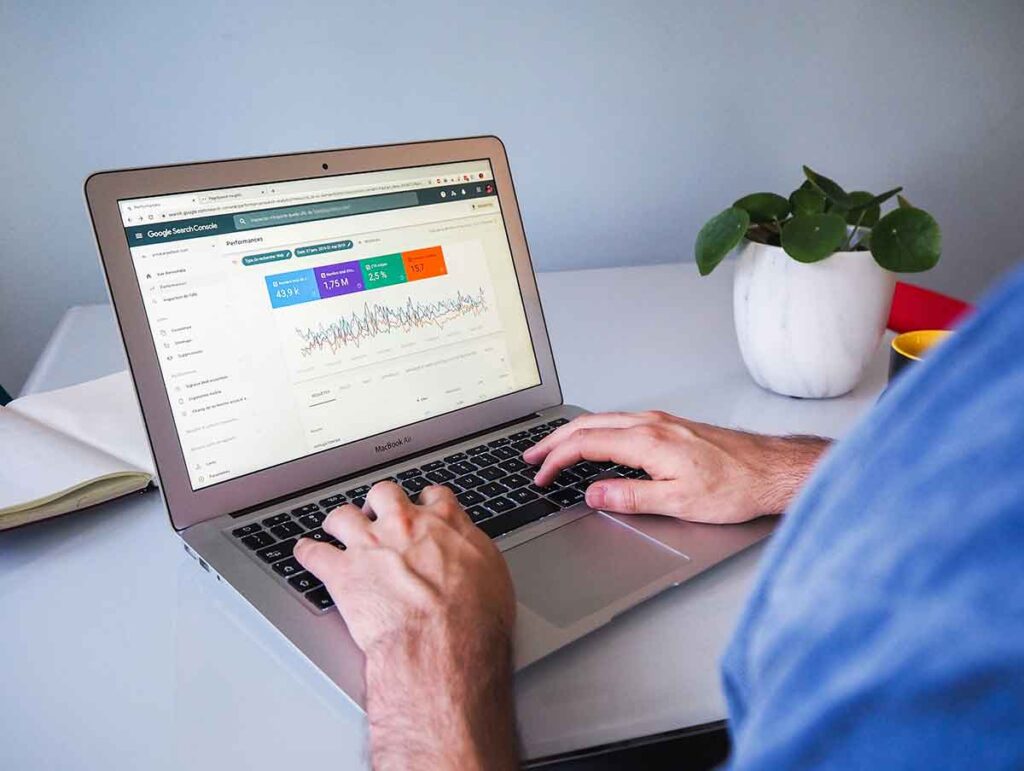
Start with tools like Google Search Console, SEMrush, or Ahrefs. Filter keywords where your content already ranks in the top 10. These are prime opportunities, as Google tends to pull featured snippets from this elite tier.
Then, cross-reference with SERP features—do any of those keywords trigger snippets currently? If yes, that’s your target.
2. Explore “People Also Ask” (PAA) Boxes
The “People Also Ask” section is a goldmine for featured snippet opportunities. These questions are closely aligned with user intent and are often structured in a way that encourages snippet-friendly answers. Weave these questions into your content and answer them directly.
3. Conduct Competitor Analysis
Look at who’s currently holding featured snippets for your target terms. Ask:
- Are their answers comprehensive?
- Do they use the right format (list, table, etc.)?
- Is there room to provide a clearer or more updated response?
Reverse-engineer what works—and then do it better.
Step 2: Format Content for Snippet Success
Google needs help understanding your content. The easier you make it, the more likely your site is to be rewarded with Position Zero. Formatting is critical.
1. Use Clear and Descriptive Headings
Your content should include heading structures that match the query’s intent. For instance, if targeting the keyword “what is zero-click search?”, then include an H2 or H3 with exactly that phrase: “What is Zero-Click Search?”
Google favors content that mimics the structure of a Q&A.
READ ALSO: Zero-Click Search: Strategies to Thrive in a No-Click SEO Landscape
2. Provide Concise Definitions
When aiming for paragraph snippets, write short, crisp definitions—ideally between 40–60 words. Use straightforward “is” statements, such as:
“A zero-click search is a Google search result that provides an immediate answer at the top of the page, eliminating the need for users to click through to a website.”
Keep it objective, informative, and jargon-free.
3. Match the Snippet Format
Look at what Google is currently displaying and mirror that. If it’s a list, use bullet points or numbered formatting. For comparison data, use tables. If the query has a how-to intent, structure your answer step-by-step.
Step 3: Improve Content Quality and Relevance
Quality trumps quantity—especially for featured snippets.
1. Write for Clarity, Not Complexity
Avoid fluff and filler. Featured snippets reward direct, well-structured answers. Write as if explaining a concept to someone with no prior knowledge. If your answer can be simplified, do it.
2. Regularly Update Your Content
Stale content rarely wins snippets. Make periodic updates to reflect changes in industry data, best practices, or technology. Google values fresh, relevant answers, and your competitors are updating their content too.
3. Ditch the Sales Pitch
Google favours neutral, informational content for snippets. Avoid using brand-centric language, excessive marketing, or first-person voice. The aim is to answer the query in a universally helpful way, not to promote a product or service.
Step 4: Technical SEO Tuning

Having well-written, structured content is only part of the equation. Without a strong technical foundation, even the best information can be overlooked by Google’s crawlers or deliver a poor user experience that drags rankings down.
READ ALSO: How to Perform a Technical SEO Audit in 5 Easy Steps
1. Implement Structured Data
Structured data, such as schema markup, gives search engines clearer signals about the content on your page. It’s particularly useful for content types that align closely with featured snippets—like step-by-step guides, FAQs, definitions, and comparisons. Adding the right schema improves how your content is indexed and increases eligibility for enhanced search features, including snippets and rich results.
2. Optimize Page Speed
Speed matters. Google factors in page load time as a ranking signal, and users are quick to abandon slow-loading pages. Tools like Google PageSpeed Insights and Lighthouse can pinpoint problem areas. Compressing images, enabling browser caching, reducing server response times, and minimising render-blocking resources like JavaScript all contribute to a faster, more snippet-worthy site.
3. Prioritize Mobile-Friendliness
With the majority of searches now happening on mobile devices, mobile-first indexing means your site’s mobile experience is the primary version Google considers. That means clean, responsive layouts, intuitive navigation, and text that’s easy to read without zooming. Snippet content, in particular, must be easily accessible across screen sizes—any friction here can undermine your visibility
Step 5: Monitor, Test, and Tweak
The fight for featured snippets is ongoing. You may gain and lose them frequently, so staying vigilant is essential.
1. Monitor Snippet Positions
Track which featured snippets you currently hold using tools like Ahrefs or SEMrush. Set up alerts for gains and losses. This data helps you spot trends and act before visibility drops.
2. Test Content Formats
Try different snippet formats—lists, tables, paragraph definitions—and see what performs best. A/B testing with content layout can often reveal what Google favours for certain queries.
3. Stay Ahead of Algorithm Updates
Google updates its algorithm frequently. Follow sources like Search Engine Land, Google Developers, or SEO-specific Reddit threads to stay informed. What worked last quarter may not work next.
Conclusion: Strategy Meets Structure
Ranking for featured snippets in 2025 isn’t about chasing every trending tactic—it’s about disciplined, consistent SEO that places structure and user intent at the centre. High-quality answers, smart formatting, and technical optimisation make up the modern trifecta for snippet success.
For brands and creators, Position Zero remains one of the most cost-effective ways to gain visibility and authority online. These strategies—tested and recommended by the likes of Backlinko and McDougall Interactive—offer a framework to do just that.
If your brand needs expert guidance navigating Google’s featured snippets, The Ad Firm, a digital marketing agency, can help you secure the visibility and authority you deserve. Get in touch today to start dominating Position Zero.