
Your rankings dropped, your phone is quieter, and your Google Business Profile no longer holds the same Map Pack position. Before you change titles, rebuild pages, or rewrite your profile, you need to know what caused the shift. Confirm if a Google update affected your market, identify where the decline appeared, and prioritize fixes based on evidence. A trusted local SEO company can help you act in the right order.
Why Local Rankings Move After a Google Update
Google algorithm updates rarely target one business. They re-score results based on what Google now sees as more useful, relevant, or trustworthy. Identify the type of drop first, then match the fix.
Re-Evaluation, Not Punishment
Most ranking losses after a core update come from re-evaluation, not penalty. Google may now see another business as a better match for that query and location.
The fix is rarely “remove something bad.” More often, you need to close the gap on signals competitors now win on, such as page usefulness, refreshed information, and clearer local relevance. This is a good moment to ask if your current local SEO services help you adapt to search changes or simply maintain the same checklist. A separate guide covers how to analyze your local SEO competitors step by step.
How a Drop Shows Up for Local Businesses
A local SEO drop usually appears in one of three ways:
- Lost Map Pack visibility: You no longer appear in the 3-pack for searches you used to rank for.
- Weaker local organic rankings: Service or city pages dropped for “near me” searches and city-specific keywords.
- Stable traffic but fewer leads: Visibility looks normal, yet calls, direction requests, form submissions, and walk-ins declined.
A skilled local SEO agency reviews conversion data first, then traces the decline back to the visibility issue.
When Visibility Compression Looks Like a Ranking Loss
Sometimes your rankings did not drop. Your listing simply moved lower on the screen. AI Overviews, paid ads, expanded local features, and other SERP elements push the Map Pack and organic results down the page.
Diagnose visibility compression with three specific checks:
- Compare position against click data in GSC. Pull the Performance report for your top local queries. If average position held steady but impressions, clicks, or CTR dropped, the SERP changed around you.
- Inspect the live SERP. Search your top queries from an incognito browser. Note any new AI Overview, PAA expansion, paid map results, or local feature pack pushing organic results below the fold.
- Check the Map Pack, click share. When the Map Pack sits below an AI Overview or expanded ads, even position-one Map Pack listings lose clicks.
The recovery plan for visibility compression differs from the plan for a true ranking drop. A separate guide covers how to recover from local ranking drops by diagnosing and fixing causes.
RELATED ARTICLE: Local SEO Reputation Signals That Improve Conversions
How Do You Diagnose a Local SEO Drop Before Making Changes?
Use the first few days to gather evidence. The output of this stage routes you to the right asset audit in Stage 3, where an experienced local SEO agency spends most of its diagnostic time.
Match the Timing to a Confirmed Update Window
Compare your decline against confirmed Google update dates, then cross-check those windows against Google Search Console and GA4.
- If the timing lines up with an update: The cause is likely algorithmic. Avoid making rapid changes mid-rollout. Edits made during an active window make it harder to identify what actually needs fixing once volatility settles.
- If the timing does not line up: Look for a site-side or profile-side trigger such as a redesign, new page launch, technical change, tracking issue, or profile edit.
Reviewing the November 2024 core update and the August 2024 core update shows which signals Google rewarded during each rollout.
Separate Organic Loss From Map Pack Loss
This is the most important diagnostic step. Map Pack drops and organic drops point to different problems and need different fixes:
- Map Pack loss: Points to Google Business Profile issues, citation inconsistencies, review trends, or proximity and category relevance. Skip ahead to the GBP, NAP, and Trust sections in Stage 3.
- Organic ranking loss: Points to site-side issues such as outdated pages, weak local relevance, technical SEO problems, or a backlink profile that no longer supports your competitive position. Focus on Content Relevance and Trust signals in Stage 3.
- Both Map Pack and organic loss: Signals a broader trust or quality issue. Work through every section in Stage 3 in order.
When both areas drop, a structured audit becomes more important. A capable local SEO company reviews website, profile, reviews, citations, content, and competitors together rather than checking each item in isolation. Pay special attention to the businesses that gained visibility for the keywords you lost, since their improvements show what Google now rewards in your market.
What to Inspect Inside Your Local Footprint
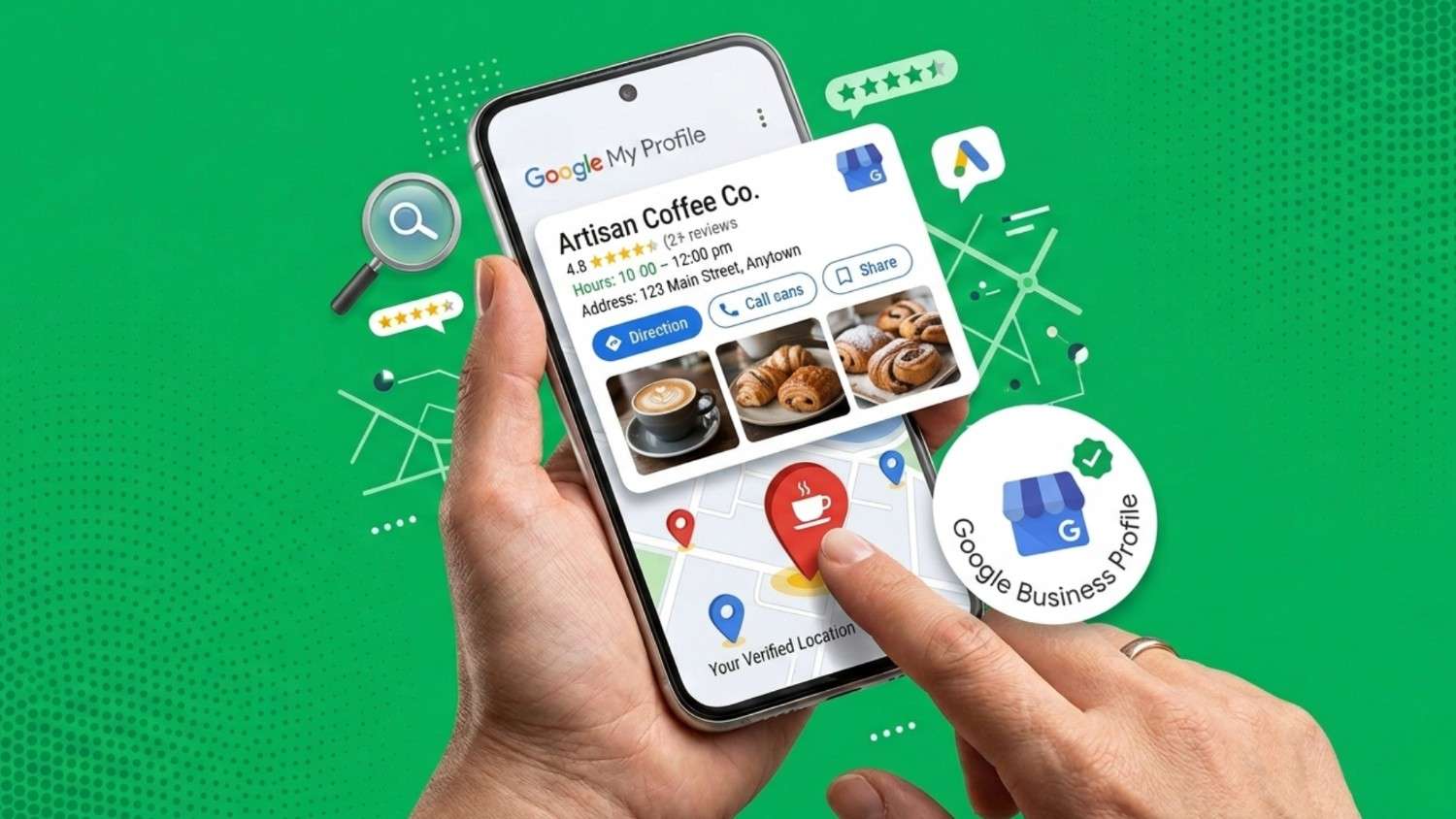
Apply your Stage 2 diagnosis here. Most post-update local SEO problems trace back to four assets: Google Business Profile, citations, local content, and authority signals. Effective local SEO services treat this stage as triage, not a full rebuild.
Google Business Profile Health Check
If your diagnosis flagged Map Pack loss, start here:
- Categories: Confirm primary and secondary categories still match your services, and look for automated changes Google applied during the update.
- Service areas and attributes: Make sure they reflect what you currently offer.
- Photos and posts: Review how often you add updates that show active business activity.
- Reviews and responses: Look at recent volume, rating changes, and response consistency.
- Profile completeness: Review services, products, Q&A, hours, and appointment links.
A category change can affect your most valuable local searches almost immediately, especially after an update that re-weighted category relevance.
NAP Accuracy and Citation Alignment
Your Name, Address, and Phone Number data must stay consistent across the web. Conflicting information lowers Google’s confidence that your business is current and verifiable, and that confidence drops further after updates focused on trust signals.
Audit citations across Yelp, Bing Places, Apple Maps, Facebook, and major directories for your category. A reliable local SEO service keeps citation alignment in scope every quarter.
Content Relevance on Service and City Pages
If your diagnosis flagged organic loss, focus here. Pages with thin copy, recycled headings, or generic city swaps lose visibility fastest after a content-focused update.
Improve each page with natural local context, real neighborhood references, and updated proof points. Strong geo-targeted content gives every local page a purpose beyond keyword targeting, which is what helpful content updates reward.
Trust and Authority Signals
Modern local rankings depend on eligibility as much as position. Google first decides if your business is a suitable match for a query, then ranks eligible results. Updates have steadily raised the weight of those trust signals.
Inspect review quality and recency, response consistency, the relevance of recent linking domains, and the depth of your service content. A disciplined local SEO service strengthens those signals consistently rather than reacting only after rankings drop.
ALSO READ: Local SEO Authority Building for Recommendations
How Do You Build a Calm Recovery Plan That Actually Works?
Recovery works best in sequence: technical issues first, pages and structured data second, steady profile activity third, and monitoring across a full update cycle. Stacked or rushed edits make post-update volatility worse.
Fix the Technical Issues GSC Already Flagged
Start with Google Search Console. Review crawl errors, indexing issues, broken internal links, blocked pages, and slow mobile performance before touching content or profile. These often turn out to be the real reason a business sees a sudden drop, not the update. Mobile usability deserves extra attention since most local searches happen on a phone.
Strengthen Local Content and Schema
Once technical issues are resolved, update the pages and structured data that connect your services to the right locations. Strengthen pages that lost visibility first, then support them with accurate LocalBusiness schema, internal links, and updated Google Business Profile activity. When content, schema, and profile signals tell the same story, Google has stronger evidence to understand where you operate.
Set Realistic Timelines for Recovery
Recovery can take weeks or months. Rankings may shift several times before a stable baseline returns, and the next core update often confirms or partially reverses what the last one changed.
Document every change you make. The best local SEO services measure recovery by trend, not by one-day ranking movement.
Get Help Restoring Your Local Visibility
A ranking drop after a Google update does not have to turn into months of uncertainty. Once you know the cause, you can focus on the fixes that matter.
If your rankings have not recovered, our team can review your Google Business Profile, citations, local pages, technical health, and performance trends. Contact The Ad Firm today to schedule a local SEO consultation and see how the best local SEO services approach recovery based on your data.
Frequently Asked Questions
How do I know if my ranking drop was caused by a Google algorithm update?
Compare your decline against confirmed Google update windows on the Search Status Dashboard. If timing aligns with an active rollout and multiple pages are dropped at once, the cause is likely algorithmic. Otherwise, look for a site change, profile edit, or technical issue.
How long does local SEO recovery take after a Google update?
Recovery typically takes weeks to months. The local SEO services that produce real recovery measure progress across a full update cycle, not day-to-day shifts.
What is the difference between a Map Pack drop and an organic ranking drop?
Map Pack drops point to Google Business Profile issues such as category changes, citation inconsistencies, or review trends. Organic drops point to site-side issues such as content relevance, technical health, or backlink quality.
Should I make changes during a Google algorithm update rollout?
No. Rankings continue shifting during an active rollout, and edits made mid-update make it harder to identify what actually needs fixing. Wait until the rollout is confirmed complete.
How do I check if my Google Business Profile was affected by an update?
Review your categories, attributes, business description, service areas, and review activity. Look for automated category changes Google may have applied during the update window. Compare your insights data against rollout dates to spot sharp declines.
What is visibility compression in local SEO?
Visibility compression happens when SERP features such as AI Overviews, expanded ads, or paid map results push your listing lower on the page, even when ranking has not changed. Diagnose it by checking GSC for a stable position with declining clicks.